Dlaczego dwie osoby, które przeczytały ten sam artykuł, wyciągają z niego zupełnie inne wnioski? Zespół Behaviour in Crisis Lab Uniwersytetu Jagiellońskiego – dr Anna Knorr i prof. dr hab. Małgorzata Kossowska – w opublikowanej analizie „Demokracja w epoce algorytmów” pokazują, że odpowiedzi trzeba szukać nie tylko w sposobie funkcjonowania mediów społecznościowych, ale przede wszystkim w sposobie działania ludzkiego mózgu. Autorki łączą osiągnięcia neuronauki poznawczej z badaniami nad architekturą platform cyfrowych, by wyjaśnić, dlaczego fakty tak rzadko zmieniają nasze poglądy – i co to oznacza dla przyszłości demokracji.
Więcej danych, mniej porozumienia
Nigdy wcześniej dostęp do informacji nie był tak łatwy i powszechny, a mimo to społeczeństwom coraz trudniej dojść do wspólnych wniosków w sprawach publicznych. Autorki wskazują, że popularny „model deficytu informacyjnego” – założenie, że błędne poglądy biorą się z braku wiedzy i wystarczy dostarczyć ludziom faktów, by zmienili zdanie – nie wytrzymuje konfrontacji z danymi. Fact-checking rzadko prowadzi do trwałej zmiany opinii, a zetknięcie z dobrze udokumentowanymi informacjami potrafi wręcz umocnić wcześniejsze przekonania odbiorcy.
Mózg jako maszyna przewidująca
Kluczem do zrozumienia tego zjawiska jest teoria kodowania predykcyjnego. Mózg nie odbiera świata biernie, lecz nieustannie generuje przewidywania na podstawie wcześniejszej wiedzy i porównuje je z napływającymi bodźcami. Gdy nowa informacja jest zgodna z oczekiwaniami – przekonania się umacniają. Gdy jej przeczy, mózg musi wybrać: zmienić swój model świata albo zreinterpretować, a nawet odrzucić niewygodny fakt. Im silniejsze jest wcześniejsze przekonanie, tym trudniej je zmienić – a siłę tę w dużej mierze kształtuje to, z jakimi informacjami wcześniej mieliśmy do czynienia.
Algorytmy uczą się naszych słabości
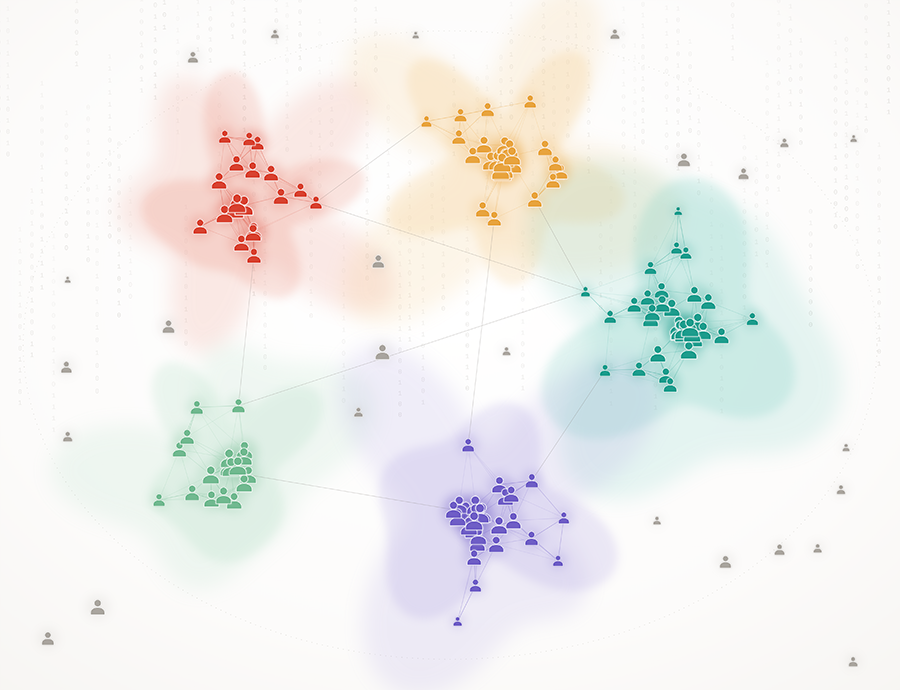
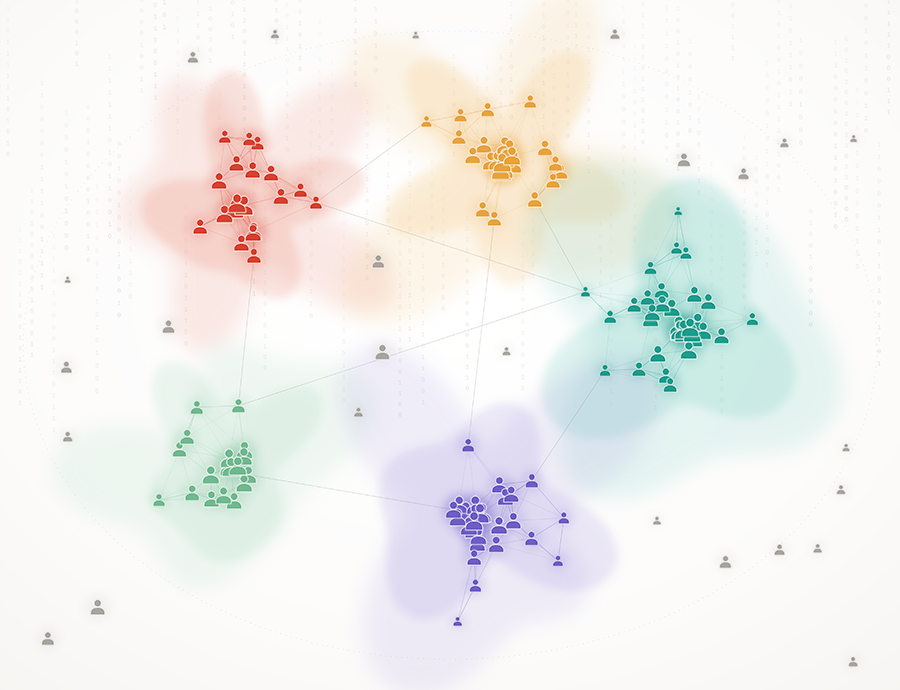
W tym miejscu, jak podkreślają autorki, kluczową rolę odgrywa architektura internetu. Systemy rekomendacyjne platform cyfrowych działają w logice gospodarki uwagi – ich celem jest jak najdłuższe utrzymanie użytkownika przed ekranem, co przekłada się na przychody reklamowe. Treści wywołujące silne emocje – oburzenie, lęk, gniew – rozprzestrzeniają się szybciej niż spokojne, wyważone wyjaśnienia. W efekcie użytkownicy coraz częściej trafiają na przekazy potwierdzające ich dotychczasowe poglądy, a coraz rzadziej na informacje, które mogłyby je podważyć. Zgodnie z koncepcją aktywnego wnioskowania (Active Inference) nie jesteśmy przy tym biernymi odbiorcami tego procesu – ludzki umysł aktywnie poszukuje środowisk, w których jego przewidywania się potwierdzają, a algorytmy bardzo skutecznie uczą się tę skłonność wykorzystywać.
Stawka dla demokracji
Sprawne funkcjonowanie demokracji wymaga nie tylko wolnych wyborów, lecz także zaufania do instytucji i wspólnego rozumienia podstawowych faktów. Gdy obywatele funkcjonują w odmiennych światach informacyjnych, trudniej o rzeczową debatę i decyzje dotyczące spraw wspólnych. Autorki zastrzegają jednak, że dzisiejszy krajobraz informacyjny nie jest nieuchronnym skutkiem rozwoju technologii, lecz efektem konkretnych decyzji projektowych, biznesowych i regulacyjnych – a więc może zostać zaprojektowany inaczej. Wskazują na regulacje unijne, takie jak Digital Services Act i AI Act, jako sygnał, że sposób działania systemów rekomendacyjnych staje się przedmiotem debaty politycznej i etycznej, a nie wyłącznie technologicznej.
prof. dr hab. Małgorzata Kossowska / dr Anna Knorr, Behaviour in Crisis Lab UJ
Demokracja nie potrzebuje jednomyślności
Jak podsumowują autorki, demokracja nie potrzebuje społeczeństwa, które zgadza się we wszystkim, lecz społeczeństwa zdolnego spierać się na podstawie wspólnie uznawanych faktów. W świecie coraz silniej kształtowanym przez algorytmy ta zdolność – piszą – może okazać się jednym z najcenniejszych zasobów demokratycznego państwa. Wyzwaniem nie jest więc wyłącznie walka z dezinformacją, ale budowanie środowiska informacyjnego, które sprzyja konfrontowaniu różnych perspektyw i krytycznej ocenie informacji.
Kryzys świadomego podejmowania decyzji w nowoczesnej demokracji | Aktualności - Behaviour in Crisis Lab - Program Strategiczny Inicjatywa Doskonałości w Uniwersytecie Jagiellońskim