Kryzysy, nadmiar informacji, polaryzacja polityczna i ciągłe poczucie zmiany sprawiają, że coraz trudniej znosić niepewność. A kiedy rośnie potrzeba odzyskania kontroli, łatwiej popadamy w radykalizm, zamykamy się na dialog i zaczynamy wierzyć w proste wyjaśnienia skomplikowanych problemów.
O mechanizmach stojących za tym procesem mówiły w podcaście Polskiej Akademii Nauk liderka Behaviour in Crisis Lab prof. Małgorzata Kosowska i dziennikarka Katarzyna Sroczyńska, autorki książki „Czy ten świat się kończy? Rozmowy o niepewności, polaryzacji i solidarności”.
Dlaczego w świecie niepewności coraz częściej sięgamy po proste odpowiedzi, nawet jeśli prowadzą one do radykalnych poglądów i teorii spiskowych? W rozmowie prowadzonej przez Jana Stradowskiego prof. dr hab. Małgorzata Kossowska i Katarzyna Sroczyńska, autorki książki „Czy ten świat się kończy? Rozmowy o niepewności, polaryzacji i solidarności”, podejmują temat funkcjonowania człowieka w warunkach rosnącej niepewności i złożoności współczesnego świata.
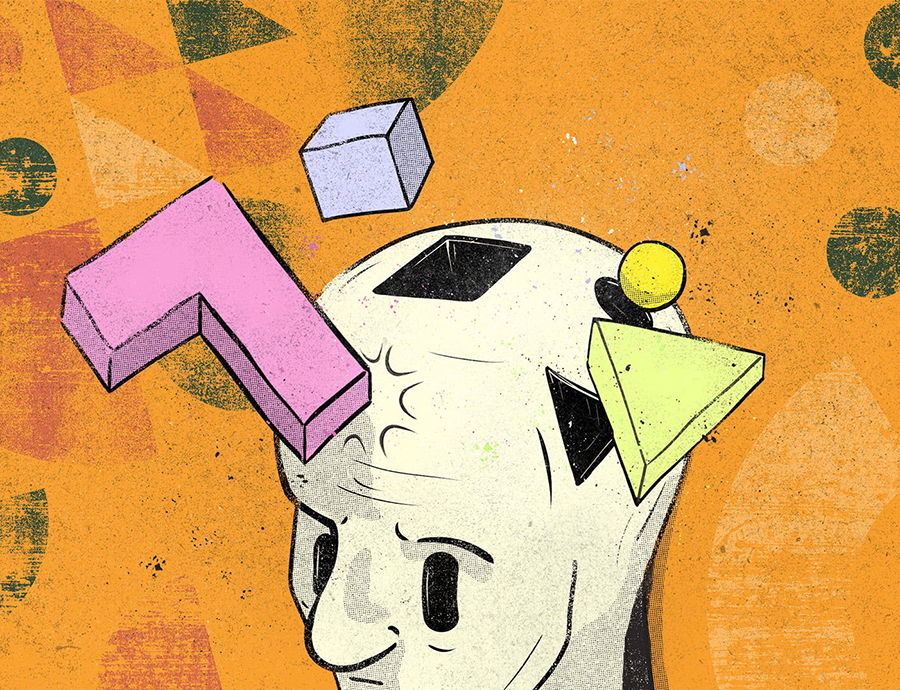
Jednym z kluczowych pojęć omawianych w podcaście jest potrzeba domknięcia poznawczego; naturalnej skłonności do szybkiego formułowania jednoznacznych wniosków i utrzymywania ich mimo sprzecznych informacji. Mechanizm ten pomaga odzyskać poczucie kontroli, ale może też utrudniać dialog i sprzyjać polaryzacji.
Rozmówczynie zwracają uwagę, że teorie spiskowe mogą pełnić funkcję „poznawczej ulgi” porządkującej chaos i nadają rzeczywistości sens, choć często tylko pozornie i krótkotrwale. Z czasem mogą się one wiązać z tożsamością jednostki, co sprawia, że ich podważanie bywa odbierane jako osobisty atak.
W podcaście poruszany jest również temat trwałości współczesnych podziałów społecznych, coraz częściej wynikających nie tylko z różnic poglądów, ale także z poczucia przynależności do określonych grup i wizji świata.
Zapraszamy do wysłuchania rozmowy!
▶️Spotify: https://open.spotify.com/episode/2vgwkDVTSnU5jzRUckQxgf
▶️YouTube: https://youtu.be/bl8XZX9MEcw?si=UI1OrUpHlWsIInZc
Czytaj również:
Świat bez pewności. Jak rodzą się radykalne poglądy i teorie spiskowe - Academia PAN