
News - Behaviour in Crisis Lab
Join the Global Crises Project: An International Call for Collaborators
Behaviour in Crisis Lab at Jagiellonian University invites researchers from around the world to join the Global Crises Project, a large-scale international research initiative conducted in collaboration with the Centre for the Politics of Feelings at Royal Holloway, University of London, and affiliated with the Psychological Science Accelerator (PSA).
Researchers interested in participating are invited to submit an expression of interest by 31 October 2026.
Researchers interested in participating are invited to submit an expression of interest by 31 October 2026.
News:

seminarium
wydarzenia
Seminarium metodologiczne online Badaczki i badacze w czasach kryzysów cz. 11, cykl II: FOKUS NA FOCUS. SIŁA W GRUPIE
04.02.2026
Już 9 lutego zapraszamy na kolejne, jedenaste już seminarium metodologiczne Badacze i Badaczki w czasach kryzysów. W drugim spotkaniu II edycji zatytułowanym FOKUS NA FOCUS. SIŁA W GRUPIE gościnią dr hab. Małgorzaty Michel, prof. UJ będzie dr Katarzyna Archanowicz-Kudelska z Katedry Psychologii Ekonomicznej Akademii Leona Koźmińskiego w Warszawie. Patronem cyklu jest Behaviour in Crisis Lab.
Read More o Seminarium metodologiczne online Badaczki i badacze w czasach kryzysów cz. 11, cykl II: FOKUS NA FOCUS. SIŁA W GRUPIE
aktualności
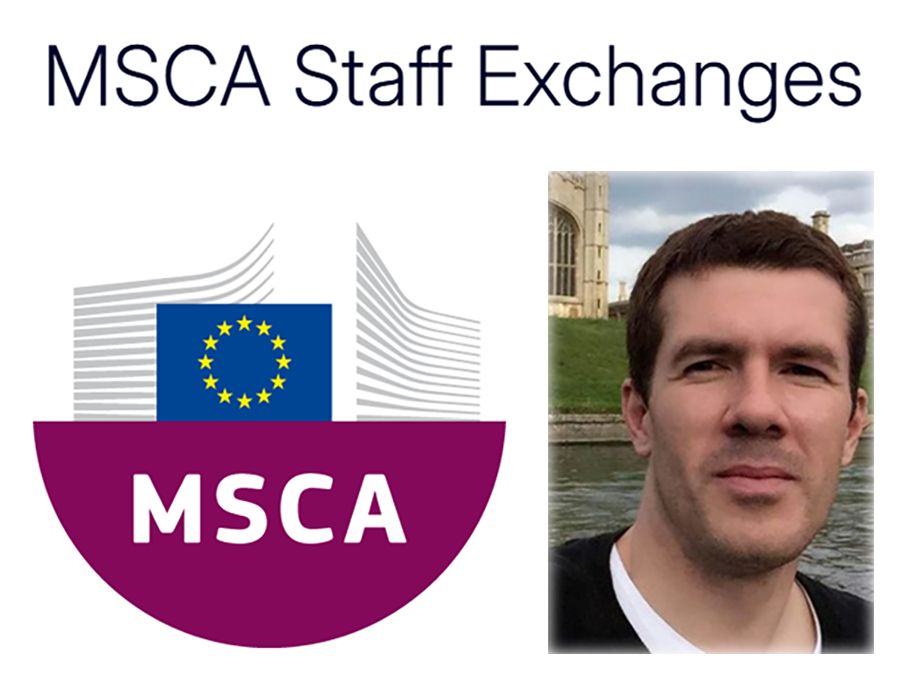
Dr Marek Palace, Collaborator at the Behaviour in Crisis Lab, Awarded Horizon Europe MSCA Staff Exchanges (SE) 2025 Grant for the FAVOR Project
04.02.2026
Dr Marek Palace, a collaborator of the Behaviour in Crisis Lab, has become a co-recipient of an international European Union Horizon Europe grant under the MSCA Staff Exchanges (SE) 2025 programme. The project entitled FAVOR (FAcilitate the development of unmanned Vehicles in the maritime sectOR) has received a total of EUR 1.18 million in funding.
Read More o Dr Marek Palace, Collaborator at the Behaviour in Crisis Lab, Awarded Horizon Europe MSCA Staff Exchanges (SE) 2025 Grant for the FAVOR Project

media
What Do Scientific Studies Say About Activism and Extremism? Prof. Katarzyna Jaśko from the Behavior in Crisis Lab on Changing the World for the Better
03.02.2026
In a lecture on the Copernicus channel, Dr. hab. Katarzyna Jaśko, Professor at Jagiellonian University, talks about the effectiveness of actions aimed at social change and the sense of meaning they provide—even when change does not come immediately. The material was created as part of the project “It’s complicated.” Popularization of science during the rise of the popularity of pseudoscience, implemented by the Copernicus Center Foundation.
Read More o What Do Scientific Studies Say About Activism and Extremism? Prof. Katarzyna Jaśko from the Behavior in Crisis Lab on Changing the World for the Better
meetings
wydarzenia
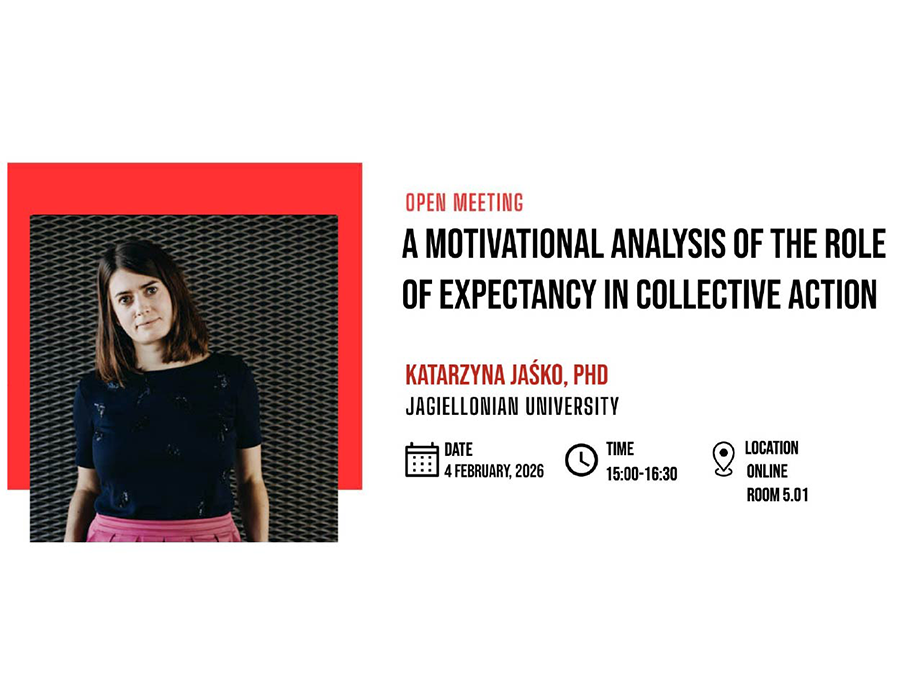
BiC Lab open meeting: A motivational analysis of the role of expectancy in collective action
03.02.2026
We invite you to the weekly open meeting of the Behaviour in Crisis Lab. The upcoming session, devoted to the role of expectancy in collective action, will be led by Dr hab. Katarzyna Jaśko, Professor at the Jagiellonian University, from the Department of Social Psychology, Institute of Psychology, Jagiellonian University. The meeting will take place both on-site and online.
Read More o BiC Lab open meeting: A motivational analysis of the role of expectancy in collective action
konferencja
wydarzenia
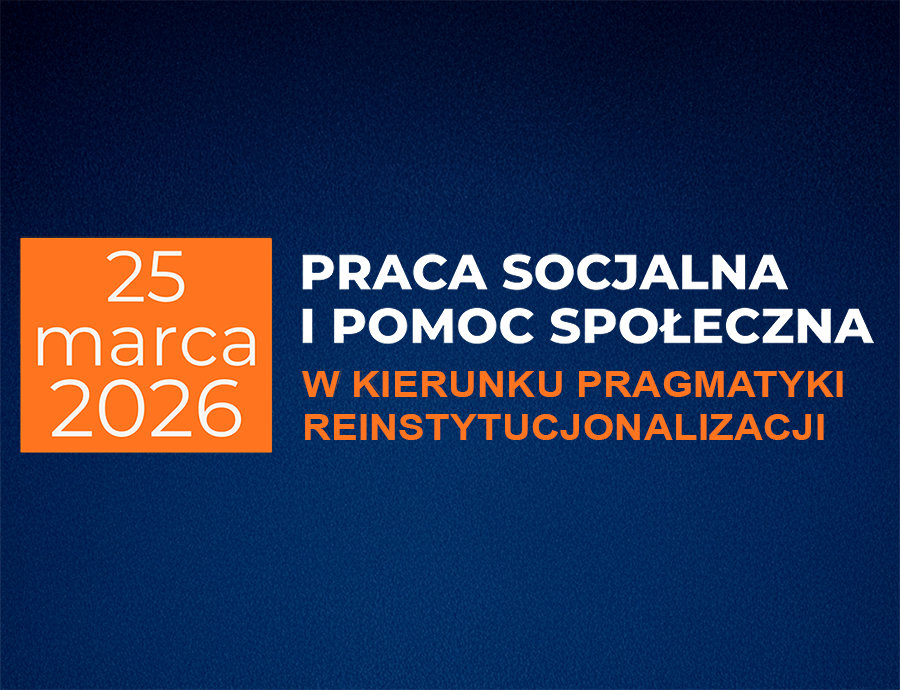
Conference “Social Work and Social Welfare: Towards the Pragmatics of Re institutionalisation”
03.02.2026
The conference continues the discussion on the re-institutionalisation of social welfare and social work initiated by the organisers in 2024 (Disaster Preparedness Policy for Humanitarian Crises: A Social Welfare Perspective) and continued in 2025 (Social Assistance and Social Work in Times of Crisis: The Philosophy and Pragmatics of Re institutionalisation).
Read More o Conference “Social Work and Social Welfare: Towards the Pragmatics of Re institutionalisation”