Crises, information overload, political polarization, and a constant sense of change make uncertainty increasingly difficult to bear. As the need to regain control grows, we become more prone to radicalization, close ourselves off to dialogue, and turn to simple explanations for complex problems. In the Polish Academy of Sciences podcast, Behaviour in Crisis Lab leader Prof. Małgorzata Kossowska and journalist Katarzyna Sroczyńska explore the mechanisms behind this process.
Why, in a world marked by uncertainty, do we so often reach for simple answers, even when they lead to radical beliefs and conspiracy theories? In a conversation hosted by Jan Stradowski, Prof. Małgorzata Kossowska and Katarzyna Sroczyńska, co-authors of the book „Czy ten świat się kończy? Rozmowy o niepewności, polaryzacji i solidarności” ("Is This World Ending? Conversations on Uncertainty, Polarization, and Solidarity"), examine how people think, feel, and act under conditions of growing complexity.
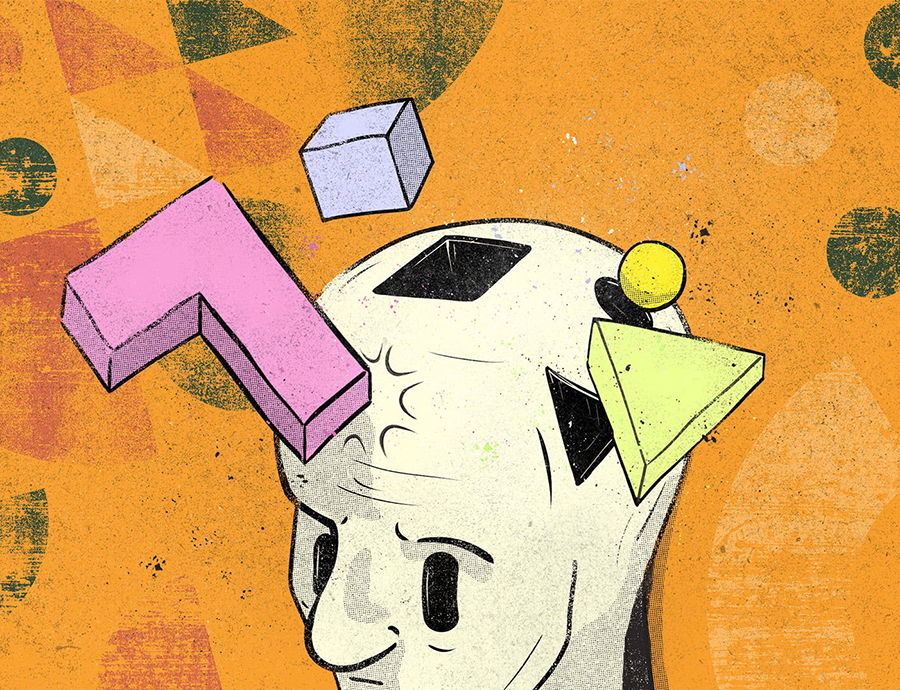
One of the key concepts discussed in the podcast is the need for cognitive closure; a natural tendency to form quick, definite judgments and hold on to them even in the face of conflicting evidence. While this mechanism can restore a sense of control, it may also limit openness, hinder dialogue, and reinforce social polarization.
The speakers also highlight the role of conspiracy theories, which can offer a form of “cognitive relief”: they organise chaos and provide a sense of meaning, even if only temporarily and often misleadingly. Over time, such beliefs may become intertwined with personal identity, making them harder to question and turning criticism into something that feels like a personal attack.
The podcast also addresses the persistence of contemporary social divisions, which increasingly stem not only from differences in opinion but from deeper questions of identity and group belonging.
We invite you to listen to the conversation!
▶️Spotify: https://open.spotify.com/episode/2vgwkDVTSnU5jzRUckQxgf
▶️YouTube: https://youtu.be/bl8XZX9MEcw?si=UI1OrUpHlWsIInZc
Related reading:
Świat bez pewności. Jak rodzą się radykalne poglądy i teorie spiskowe - Academia PAN