
Dissemination - Behaviour in Crisis Lab
Dissemination | Expert Reports | Abstracts | Summaries
aktualności
popularyzacja
publikacja
raport
AFCC Poland: A Practical Guide to Age-Friendly Communities
09.06.2026
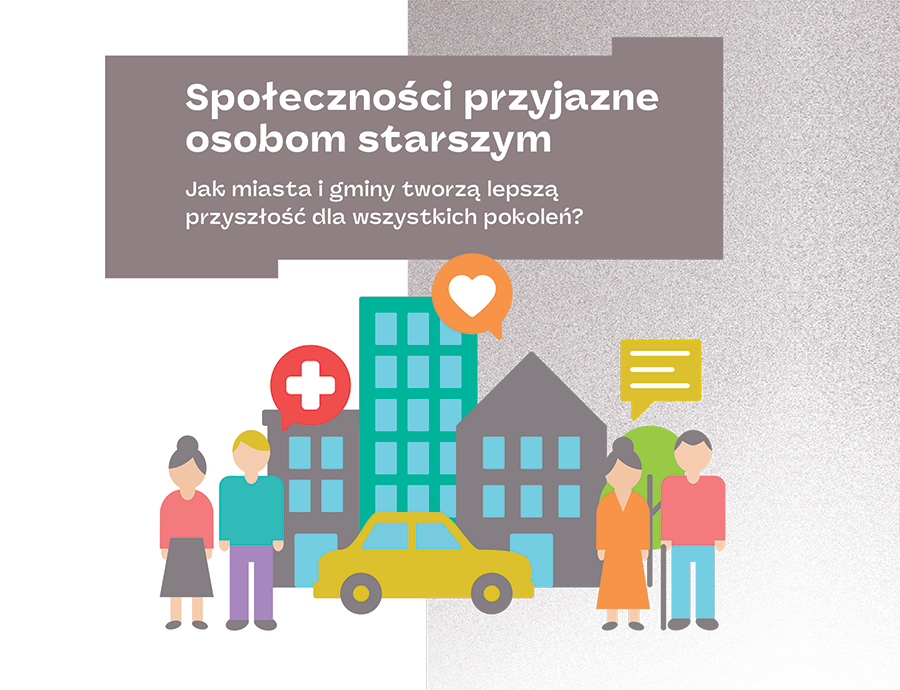
A new open-access guide, “Age-Friendly Communities: How Cities and Municipalities Are Building a Better Future for All Generations”, supported by the Behaviour in Crisis Lab, highlights how cities and municipalities can create better futures for all generations. Developed within the AFCC Poland initiative, coordinated by the Jagiellonian University (Centre for Evaluation and Analysis of Public Policies) in collaboration with the Medical College, the network brings together local governments, experts, and public institutions committed to improving quality of life across the lifespan.
Read More o AFCC Poland: A Practical Guide to Age-Friendly Communities
aktualności
popularyzacja
publikacja
Uncertainty, cognition, and epistemic authority. How do we seek knowledge?
19.05.2026
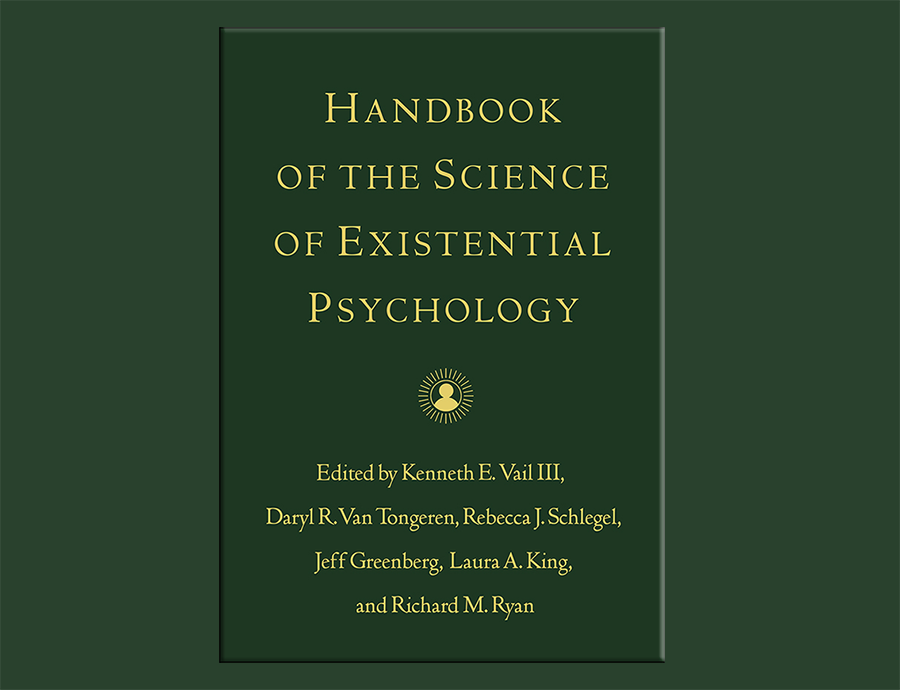
What mechanisms shape cognitive processes? What determines decision‑making and the functioning of individuals and groups under conditions of uncertainty? Prof. Małgorzata Kossowska, Dr Ewa Szumowska, Karolina Bonarska, and Jakub Cacek from Behaviour in Crisis Lab address these issues in the chapter Navigating Uncertainty: Cognitive Closure, Information Processing, Epistemic Authority in the Pursuit of Knowledge, published in the Guilford Press book Handbook of the Science of Existential Psychology. The authors examine research on motivations related to knowledge acquisition and the need for cognitive closure, and analyze the mechanisms of epistemic uncertainty reduction in the context of their social determinants.
Read More o Uncertainty, cognition, and epistemic authority. How do we seek knowledge?
aktualności
popularyzacja
From Solidarity to Social Tensions: Changing Attitudes Toward Ukrainian Refugees in Poland
05.05.2026
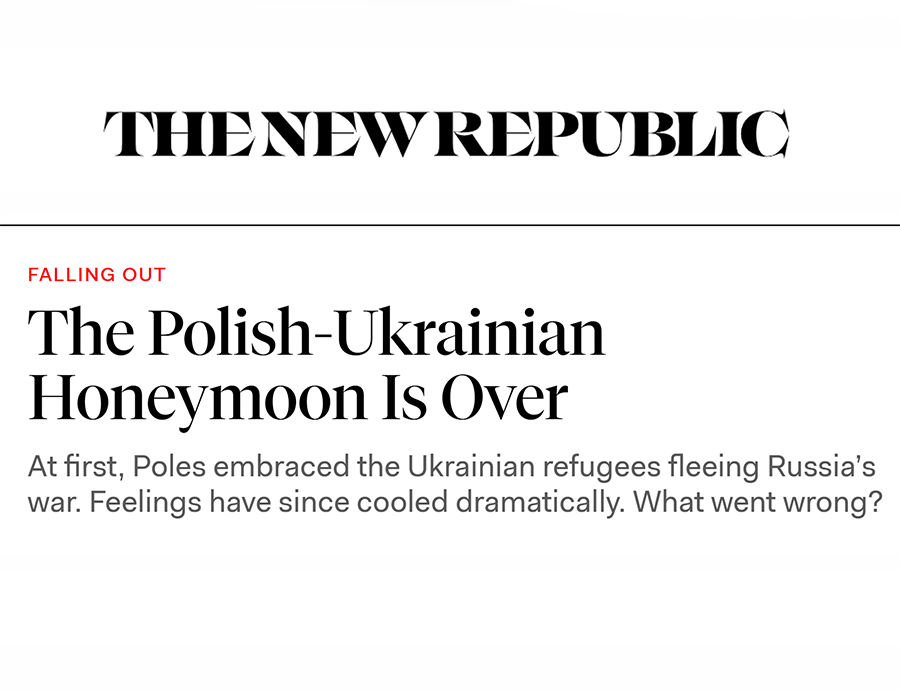
In the first months following Russia’s invasion of Ukraine in 2022, Poland became a symbol of unprecedented solidarity. Millions of citizens spontaneously engaged in supporting refugees by offering accommodation, food, financial assistance, and emotional support. In the in‑depth report “The Polish‑Ukrainian Honeymoon Is Over,” published in The New Republic (April 2026), Marta Zaraska cites Professor Małgorzata Kossowska of the Behaviour in Crisis Lab, highlighting the shift from this extraordinary wave of solidarity at the onset of the war to a marked decline in public acceptance of refugees in subsequent years.
Read More o From Solidarity to Social Tensions: Changing Attitudes Toward Ukrainian Refugees in Poland

aktualności
popularyzacja
Crisis of Trust, Politicization, and Polarization: What Do Public Media Reforms Teach Us?
30.04.2026
In the article After the Takeover: Rebuilding Trust in Public Media Through Institutional Reform, published in the prestigious journal Political Behavior, the authors examine one of the key challenges facing contemporary democracies: how to rebuild public trust in state institutions after a period of deep politicization and a crisis of legitimacy. The study focuses on the Polish context of public media reforms introduced following the change of government in 2023, implemented under conditions of strong political polarization and low levels of trust in public TV. One of the co-authors of the article is Dr Gabriela Czarnek from the Behaviour in Crisis Lab.
Read More o Crisis of Trust, Politicization, and Polarization: What Do Public Media Reforms Teach Us?

popularyzacja
publikacja
streszczenia
Empathy or Fear? What Really Shapes Our Attitudes Toward Refugees?
14.04.2026
Fear of war does not have to lead to withdrawal and hostility - it can also increase empathy and support for refugees. Higher levels of hostility toward migrants are shown by people who perceive them as a threat to culture and national identity. These concerns may be more important than economic or security issues, according to a study by researchers from the Behaviour in Crisis Lab at the Institute of Psychology of Jagiellonian University.
Read More o Empathy or Fear? What Really Shapes Our Attitudes Toward Refugees?